

Stress is a part of life for many busy women, often showing up or taking root in ways that impact more than just our mental well-being. We may already know how stress affects our mood, energy levels, and even your sleep patterns. But did you know that it can also affect your pelvic health? Yes, the body’s stress response can create tension in the pelvic floor, contributing to a range of issues like pelvic pain, urinary problems, or even pain during sex.
If this sounds familiar, you’re not alone, and the good news is that there are ways to manage it!
When it comes to pelvic health, most people think of pregnancy, childbirth, or menopause as the big factors influencing it. But in reality, stress is a major player. The pelvic floor muscles are deeply connected to our emotional and physical health. Stress, whether from a hectic day at work or constant multitasking, can lead to tight, overworked pelvic floor muscles—similar to how stress can cause tight shoulders or tension headaches. For us busy women juggling multiple responsibilities, learning to manage stress effectively can be a game-changer for our overall pelvic health.
Let’s break it down, starting with how the pelvic floor and stress impact each other:

The Stress-Pelvic Health Connection
As a review for anyone new here: the pelvic floor is a group of muscles that supports the bladder, uterus, and bowel. These muscles, like any other in your body, respond to stress. When you’re feeling overwhelmed, your muscles can tighten involuntarily. This “fight or flight” response is useful in emergencies, but when stress becomes chronic, the body never gets the signal to relax.
For the pelvic floor, this means muscles that stay tense for too long, which can lead to pain or discomfort.
Think of the pelvic floor as muscular underwear, cradling essential organs and controlling important functions, like urination and bowel movements. When you’re stressed, this delicate balance can be disrupted. Tight pelvic muscles can make it harder to relax the bladder fully, sometimes resulting in urinary urgency or frequency. Meaning, we might feel like we need to use the bathroom more often or have trouble completely emptying your bladder. Some women even experience discomfort or pain during sex, which is another common issue linked to pelvic floor tension caused by stress.
Pelvic pain is often our bodies’ way of saying, “I need a break!”
In addition to urinary and sexual discomfort, stress-induced pelvic floor tension can also contribute to more generalized pelvic pain. This might feel like a dull ache in the lower abdomen, lower back, or hips, or a sharp, shooting pain during certain movements. These sensations are often our bodies’ way of saying, “I need a break!” Unfortunately, many of us busy women are so focused on managing their to-do lists that we overlook these signals until the pain becomes persistent or chronic.

How Stress Builds Tension in the Pelvic Floor
So, how exactly does stress translates to physical tension in the pelvic floor? The connection lies in the autonomic nervous system (ANS), which controls involuntary muscle movements, including the pelvic floor. For those who want to learn more about the ANS, you can jump to this National Institute of Health page that explains it more. In short, it’s the system in our body that works to find the middle ground (homeostasis) for our internal functioning – the range in which our internal parts work best. Within the ANS is the sympathetic nervous system (“fight or flight” responses) and the parasympathetic responses (“rest and digest” responses).
When we’re stressed, the sympathetic nervous system (the “fight or flight” response) kicks in. This system sends signals to our muscles, including the pelvic floor, to contract. If we’re dealing with chronic stress, our pelvic muscles may stay in this contracted state for longer than they should, leading to tightness and discomfort.
It’s not just psychological stress that can trigger this response. Physical stress from poor posture, particularly if we spend a lot of time sitting at a desk or standing on our feet, can also create tension in the pelvic floor. Sitting for long periods puts pressure on the pelvic area, while standing for extended times without proper posture can lead to imbalances in the muscles supporting your pelvis. Combine these physical factors with emotional stress, and it’s no surprise that our pelvic floors might start to feel the strain!

Recognizing the Symptoms
If we’re wondering whether stress might be affecting our pelvic health, there are a few key signs to watch out for:
- Urinary Issues: Stress can cause us to feel like we need to urinate more frequently or urgently, even if our bladders aren’t full.
- Pelvic Pain: This might show up as a dull ache, a sense of heaviness, or sharp pain in the lower abdomen, hips, or lower back.
- Pain During Sex: Tension in the pelvic floor muscles can make intercourse uncomfortable or even painful.
- Constipation or Difficulty with Bowel Movements: Stress can slow down digestion and cause tension in the muscles needed for smooth bowel movements.
These symptoms may come and go, but if they persist, it’s important to address them before they worsen. Stress may be unavoidable, but managing how it affects our bodies can help keep these symptoms in check. For anyone interested in othe symptoms that may surface, dive further into my article Why You Can’t Just “Relax”: Treating Vaginismus.

Stress-Reduction Techniques for Busy Women
Managing stress in a world that often feels like it’s moving a mile a minute might seem like an impossible task. But there are simple, practical ways to reduce stress and give our pelvic floors a break. The key is incorporating strategies that don’t require too much time or effort, so we can seamlessly add them into our already busy days.
1. Diaphragmatic Breathing (Belly Breathing):
Deep breathing is one of the most effective ways to signal our bodies to relax. When we take slow, deep breaths, it activates our parasympathetic nervous system (the “rest and digest” system), which helps our muscles—including the pelvic floor—relax. To do this, place one hand on your chest and one on your belly. As you inhale, focus on expanding your belly rather than your chest. Feel your hand on your belly rise as you breathe in, and fall as you breathe out slowly. Just five minutes of deep breathing a few times a day can make a big difference in reducing pelvic floor tension.
2. Mindful Stretching:
If we spend a lot of time sitting, gentle stretches that open up the hips and release tension in the lower back and pelvis can work wonders. Try a simple seated forward bend or a gentle hip stretch by crossing one leg over the other while seated and leaning forward slightly. These stretches don’t take long, but they can help release some of the tension that builds up in the pelvic floor from sitting for extended periods.
3. Progressive Muscle Relaxation:
This technique involves tensing and then relaxing different muscle groups, including the pelvic floor. Start by lying down in a comfortable position. Slowly tense the muscles in your toes, then release. Work your way up through your legs, abdomen, arms, and face, consciously tensing and then relaxing each group. When you reach your pelvic floor, focus on squeezing the muscles as if you’re trying to stop urination, hold for a few seconds, and then fully relax. This not only helps release physical tension but also trains your body to notice when muscles are unnecessarily tight.
4. Mindfulness and Meditation:
Carving out even five minutes a day for mindfulness can have a big impact on your stress levels. Mindfulness can help you become more aware of when you’re carrying stress in your body, especially in areas like your pelvic floor. Apps like Headspace or Calm, or YouTube channels like Great Meditation, offer guided meditations that are short, easy to follow, and perfect for busy women on the go. Over time, mindfulness can help you better manage stress and prevent pelvic floor tension from building up.
5. Taking Breaks Throughout the Day:
It’s easy to get caught up in the hustle, but taking short breaks to move our bodies, stretch, or even practice deep breathing can make a big difference in how our pelvic floors feel. If we spend long periods sitting or standing, setting a timer to remind us to stand up, stretch, or walk around for a few minutes can be extremely helpful. This not only helps relieve physical stress on our pelvic floors but also gives our minds a much-needed break.
The Importance of Self-Care
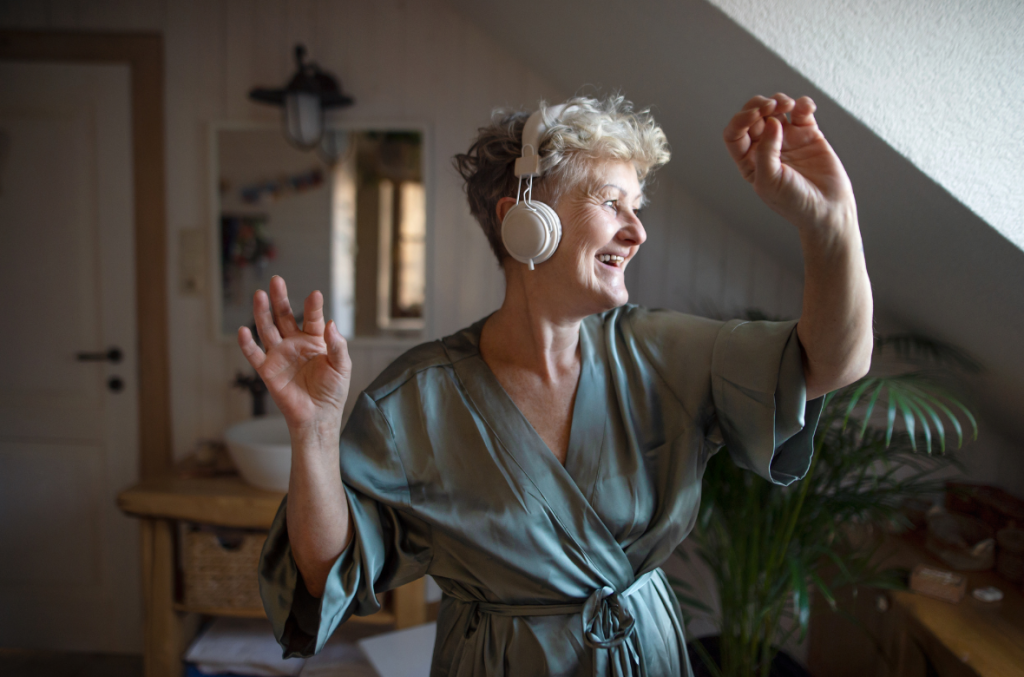
At the end of the day, one of the most effective ways to combat stress and protect our pelvic health is by practicing self-care. This doesn’t have to mean booking a spa day (though that’s great!). It can be as simple as listening to our bodies, paying attention to the signs of stress, and giving ourselves permission to rest. Whether that means taking a walk in the fresh air, stretching before bed, or doing a few minutes of deep breathing while we wait for our morning coffee, small acts of self-care add up. They help you manage stress before it takes a toll on your pelvic health and overall well-being.
In our busy lives, it’s easy to overlook the connection between stress and our bodies, particularly the pelvic floor. But by learning to recognize the signs of stress-related pelvic floor tension and incorporating stress-relief techniques into your routine, we can take meaningful steps toward improving both our pelvic health and our overall quality of life.
So, the next time you feel stress creeping in, take a deep breath, stretch, and give yourself the break you deserve. Your pelvic floor—and the rest of your body—will thank you.
Watch My TEDx Talk!
Did you know I gave a TEDx Talk about pelvic health?
One in five women experience pelvic pain, and the root isn’t just stress–it’s a lack of permission. Pelvic health is “hole” health and whole health! In this talk, I address intimate health issues and provide practical solutions for pelvic pain. I also emphasize the importance of understanding pelvic health as a critical aspect of overall well-being.
This talk was given at a TEDxAnchorage event using the TED conference format but independently organized by the local community.


